

In this article
- 01The Critical Role of Inventory Management in Food Production
- 02Navigating the Unique Challenges of Food Production Inventory
- 03Perishability and Shelf Life: Mitigating Waste in a Time-Sensitive Industry
- 04Demand Variability and Forecasting: Adapting to Market Dynamics
- 05Compliance with Stringent Food Safety Regulations: Ensuring Traceability and Quality
- 06The Tangible Impact of Inefficient Inventory Management on Business Outcomes
- 07Real-World Case Studies: Transforming Inventory Challenges into Competitive Advantages
- 08Case Study: How "Sweet Delights" Achieved 30% Waste Reduction with Automated Inventory
- 09Case Study: "Frozen Foods Inc." Streamlines Operations with Comprehensive ERP Integration
- 10Data-Driven Strategies for Effective Inventory Management in Food Production
- 11Implementing Real-Time Automated Inventory Tracking: Precision and Efficiency
- 12Leveraging Advanced Demand Forecasting Tools: Minimizing Stockouts and Overstocking
- 13The Transformative Power of Technology in Modern Food Production Inventory
- 14Conclusion: Achieving Sustainable Growth Through Optimized Inventory Management
The Critical Role of Inventory Management in Food Production
In the dynamic and highly competitive food production industry, efficient inventory management is not merely an operational necessity; it is a strategic imperative that directly impacts product quality, regulatory compliance, and overall profitability. The ability to maintain optimal stock levels, minimize waste, and respond agilely to market fluctuations can be the difference between success and stagnation. This article delves into the unique challenges faced by food producers in managing their inventory, explores the detrimental effects of inefficient practices, and presents actionable strategies and technological solutions to optimize operations.
Perishability and Shelf Life: Mitigating Waste in a Time-Sensitive Industry
Food products, by their nature, possess limited shelf lives, necessitating meticulous tracking and management to prevent spoilage. The cost of failing to do so is significant, with studies indicating that up to 40% of food waste occurs at the production and retail levels. Effective inventory management systems must incorporate real-time tracking of expiration dates and implement First-In-First-Out (FIFO) or First-Expired-First-Out (FEFO) methodologies to minimize waste.
Demand Variability and Forecasting: Adapting to Market Dynamics
Demand for food products is subject to a multitude of variables, including seasonal trends, consumer preferences, and economic conditions. Accurately forecasting these fluctuations is crucial to avoid both overproduction and stockouts. The Grocery Manufacturers Association reports that 80% of inventory management problems stem from inaccurate demand forecasting. Advanced analytics and AI-driven tools are essential for predicting demand patterns and enabling proactive adjustments to procurement and production schedules.
Compliance with Stringent Food Safety Regulations: Ensuring Traceability and Quality
The food production industry operates under stringent regulatory frameworks designed to ensure consumer safety. Precise inventory tracking is essential for maintaining traceability and complying with these regulations. Non-compliance can result in severe penalties, including fines, product recalls, and damage to brand reputation.
The Tangible Impact of Inefficient Inventory Management on Business Outcomes
Inefficient inventory management can have a profound impact on a food production company's bottom line. Overstocking ties up capital, increases storage costs, and leads to waste due to spoilage. Understocking results in lost sales opportunities and dissatisfied customers. Moreover, poor inventory practices can disrupt production schedules, increase operational costs, and damage a company's reputation. A 2023 study by the Food Marketing Institute found that companies with optimized inventory management systems experienced a 15% reduction in operational costs and a 10% increase in customer satisfaction.
Real-World Case Studies: Transforming Inventory Challenges into Competitive Advantages
Case Study: How "Sweet Delights" Achieved 30% Waste Reduction with Automated Inventory
"Sweet Delights," a regional dessert company, struggled with manual inventory tracking, resulting in frequent errors and significant waste. By implementing an automated inventory management system, they achieved a 30% reduction in waste and improved compliance with FIFO guidelines. The system provided real-time visibility into stock levels and expiration dates, enabling them to optimize production schedules and minimize spoilage.
Case Study: "Frozen Foods Inc." Streamlines Operations with Comprehensive ERP Integration
"Frozen Foods Inc.," a rapidly growing frozen food manufacturer, faced challenges in scaling their manual inventory processes. By implementing an ERP system tailored to their specific needs, they achieved real-time inventory management, reduced human errors, and improved decision-making. The ERP system integrated inventory data with production, sales, and finance, providing a unified view of their operations.
Data-Driven Strategies for Effective Inventory Management in Food Production
Implementing Real-Time Automated Inventory Tracking: Precision and Efficiency
Automated inventory tracking systems provide real-time visibility into stock levels, enabling businesses to monitor inventory with precision and efficiency. These systems can track expiration dates, manage stock rotation, and provide alerts for replenishment needs. Barcode scanning and RFID technology can streamline stocktaking procedures, reducing stocktake times by up to 70%.
Leveraging Advanced Demand Forecasting Tools: Minimizing Stockouts and Overstocking
Advanced analytics and AI-driven demand forecasting tools can predict demand patterns with greater accuracy, enabling businesses to adjust procurement and production schedules proactively. These tools analyze historical sales data, market trends, and external factors to provide reliable forecasts.
Integrating Inventory Management with Enterprise Resource Planning (ERP) Systems: Unifying Data and Streamlining Operations
Integrating inventory management with ERP systems provides a unified platform for overseeing operations, finance, and supply chain activities. This integration enhances data visibility, improves decision-making, and streamlines processes.
The Transformative Power of Technology in Modern Food Production Inventory
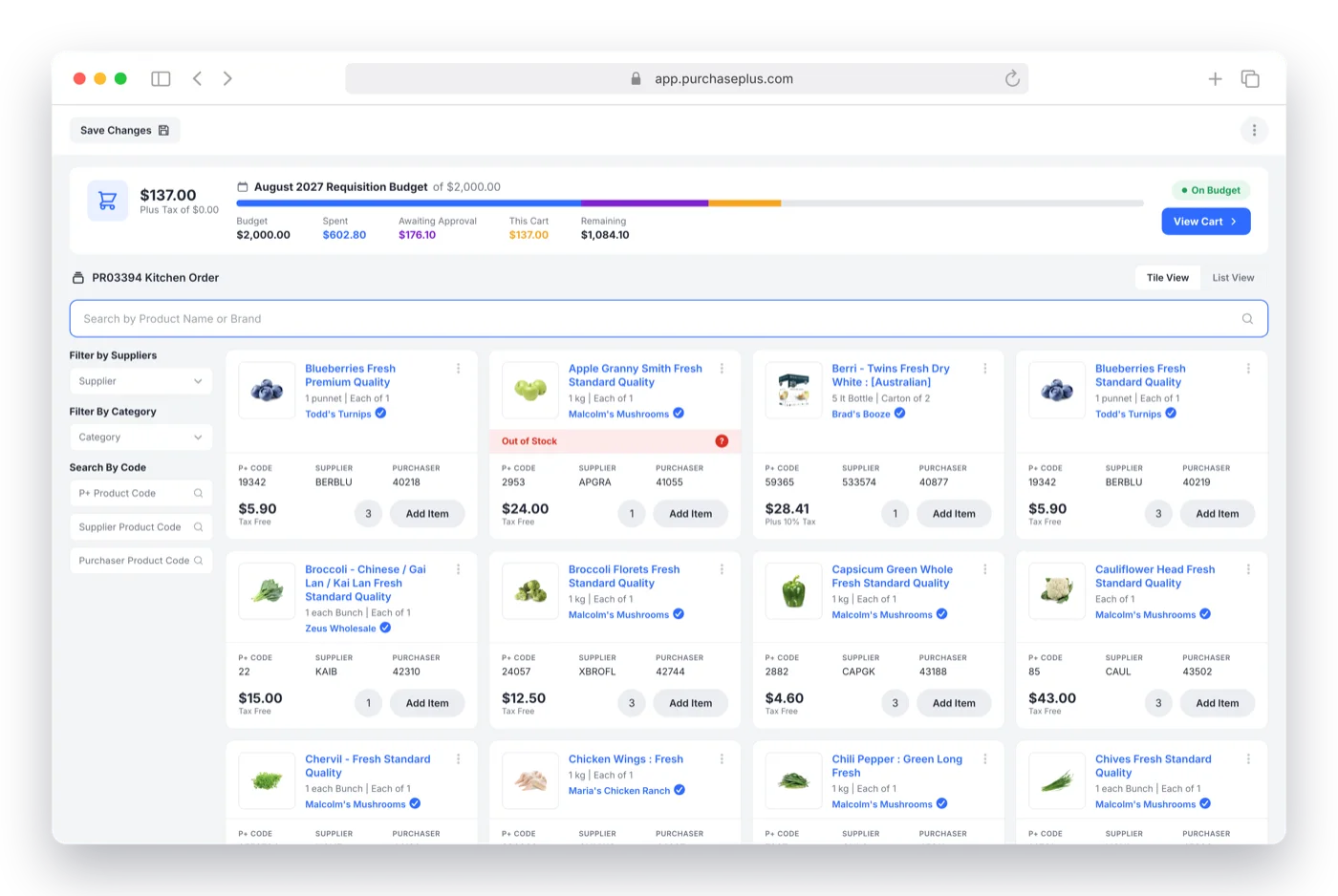
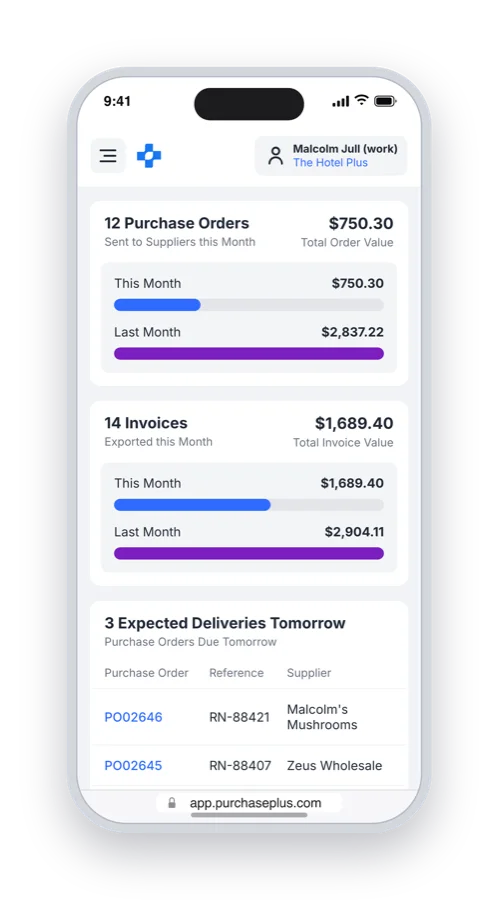
Technological advancements have revolutionized inventory management in the food production industry. Solutions like PurchasePlus offer comprehensive tools to manage stock levels, control costs, and simplify month-end processes. Features such as mobile barcode scanning, real-time valuation, and POS integration enable businesses to maintain accurate inventory records and make informed decisions.
Conclusion: Achieving Sustainable Growth Through Optimized Inventory Management
Effective inventory management is essential for the success of food production businesses. By understanding the unique challenges and implementing strategic solutions, companies can enhance efficiency, reduce waste, and ensure compliance with regulations. Embracing technological solutions like PurchasePlus can further streamline operations and contribute to sustained profitability.

Written by